Broadway Market bulky rubbish pickup tips and times
Posted on 15/06/2026

If you live, work, or trade around Broadway Market, bulky waste has a habit of becoming urgent fast. A sofa that has finally given up, a wardrobe that will not fit down the stairs, a broken appliance sitting in the hall, or a post-refurb pile you definitely did not plan for can turn into a messy problem by the end of the day. This guide to Broadway Market bulky rubbish pickup tips and times is designed to help you handle it calmly, avoid common mistakes, and choose the right collection window without adding stress to your week.
You will find practical timing advice, preparation tips, a simple step-by-step process, compliance pointers, and a few real-world examples from the kind of tight London streets where timing matters more than people expect. Truth be told, with bulky items, half the battle is getting the logistics right before anyone turns up with a van.
Why Broadway Market bulky rubbish pickup tips and times Matters
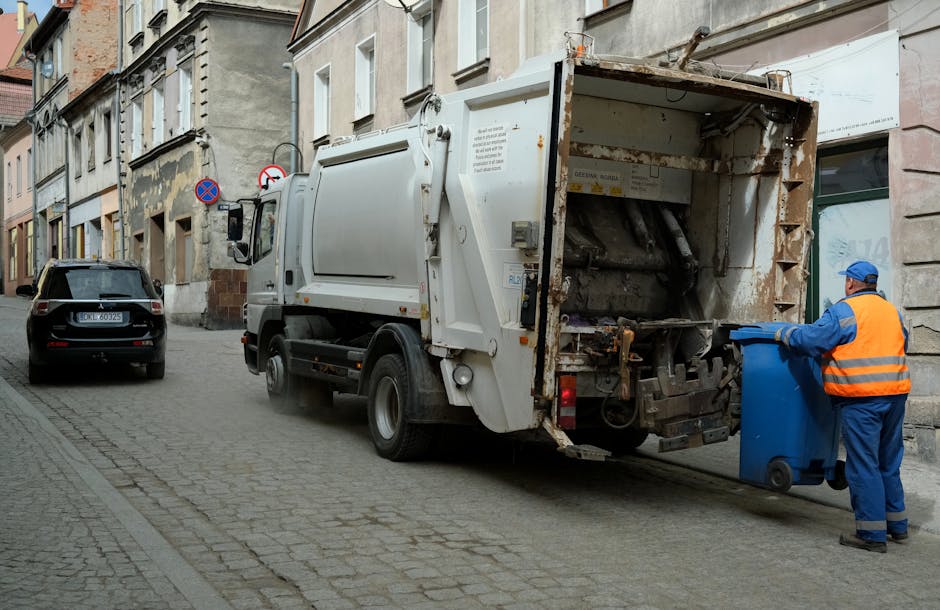
Broadway Market is busy, narrow, and wonderfully alive. That is part of the charm. It is also exactly why bulky rubbish pickup needs a bit of planning. On a street where traffic, pedestrians, deliveries, bicycles, and flat access all compete for space, the wrong pickup time can mean delays, awkward blocking, or a missed collection slot. The right time can make the whole job feel almost boring. And boring is good here.
Bulky rubbish is not the same as ordinary bin waste. It usually includes items like old mattresses, broken chairs, sofas, wardrobes, white goods, office furniture, dismantled shelving, and renovation leftovers that are too large for standard collection. These items are harder to move, more likely to cause damage, and often need two people rather than one. If you wait too long or leave them half-dismantled in a communal area, they can quickly become a safety issue as well as an eyesore.
Timing matters for another reason: access. Around Broadway Market, you may need to think about parking, lift access, staircase width, neighbours, shop opening hours, and whether your building allows collections at specific times. A collection that works perfectly in a wide suburban driveway can be a complete faff in a converted flat above a shop. So the goal is not just to remove items. It is to remove them smoothly, at a time that suits the street, the property, and the people involved.
If you are comparing disposal options in the wider area, a good starting point is the site's services overview, which helps frame the different types of waste and clearance support available. For homeowners and tenants in the area, the local context described in living in Hackney local insights is also useful for understanding the everyday rhythm of the neighbourhood.
How Broadway Market bulky rubbish pickup tips and times Works
In practice, bulky rubbish pickup is a coordination exercise. You identify what needs removing, decide whether it can be lifted safely, pick a realistic collection time, and make sure the access route is clear. Simple on paper. Less simple when there is a narrow stairwell, a shared doorway, and no obvious place to park. That is the reality, anyway.
Most bulky pickups work best when the items are grouped together before arrival. This allows a team to assess the load quickly, protect floors and walls, and load the vehicle efficiently. If the items are scattered across multiple rooms, the collection can take longer and the time window may need to be wider. In busy London streets, wider windows are often more realistic than exact-minute promises.
For Broadway Market bulky rubbish pickup tips and times, think in terms of three timing layers:
- Street timing: when parking and loading are least disruptive.
- Property timing: when access routes, lifts, and neighbours are least affected.
- Load timing: when the items can be safely moved in one go, without repeated trips.
That sounds neat, but in real life you usually balance all three. A good pickup time is often early enough to beat heavier street activity, but not so early that you are rushing, waking the building, or waiting around with the door propped open. Mid-morning or early afternoon is often the most practical sweet spot for many household collections, though the best choice depends on your building and the street layout.
If you are dealing with more than one type of waste, it may help to separate bulky furniture from mixed clearance items. For example, a sofa and mattress move differently from old office chairs and filing cabinets. In mixed cases, a broader waste service may be more suitable, such as waste clearance in Hackney or, for larger domestic jobs, house clearance support. If the job includes a renovation pile, builders' materials can require a more specific approach, so builders waste disposal may be the better fit.
Key Benefits and Practical Advantages
When you plan a bulky pickup properly, the benefits go beyond getting your hallway back. A good timing plan reduces hassle, helps avoid neighbour complaints, and lowers the risk of damage to the property. It also makes the service more efficient, which is especially helpful if your collection involves several large items or a tight loading area.
Here are the main advantages people notice:
- Less disruption: the pickup happens when the street is easier to work on.
- Safer handling: fewer awkward lifts, turns, and pinch points.
- Cleaner finish: items leave in one organised sweep instead of a messy scatter.
- Better value: the crew can work faster when the route and items are ready.
- Less neighbour friction: especially useful in shared buildings and terraces.
There is also a sustainability angle. When bulky items are sorted properly, reusable or recyclable materials are less likely to be treated as general rubbish. If eco-conscious disposal matters to you, it is worth reading the site's recycling and sustainability guidance. Small decisions matter here. A careful pickup often leads to better sorting downstream.
For businesses around Broadway Market, timing has an extra financial and reputational benefit. A tidy shopfront or cleared stockroom before opening hours can prevent lost trading time. If you are managing a workplace move or clear-out, the more tailored commercial waste removal and office clearance options may be more appropriate than a general domestic pickup. That distinction matters more than people think.
Who This Is For and When It Makes Sense
This kind of pickup is for anyone who has bulky items that are awkward, unsafe, or simply too large for normal disposal. The obvious examples are homeowners and renters, but the real-world list is longer than that.
- Tenants moving out who need to clear furniture quickly before checkout.
- Landlords and agents handling left-behind items after a tenancy.
- Independent shops and cafes replacing counters, chairs, or storage.
- Home renovators with old fixtures, broken units, or packaging waste.
- Flat owners dealing with tight access, stairs, or no lift.
- Families doing a seasonal clear-out or after a long overdue room reset.
It also makes sense when the job is emotionally heavier than it looks. A loft clear-out after a long period of storage, for example, can feel straightforward on the outside and unexpectedly draining once you begin. If that sounds familiar, a structured service like loft clearance in Hackney can save a lot of time and decision fatigue.
One small but important point: if the items are mainly furniture, there is value in choosing a furniture-specific removal route. Sofas, tables, bed frames, and wardrobes can all require different handling. The dedicated furniture removal and furniture disposal pages are worth a look if that is your main load.
Step-by-Step Guidance
If you want the pickup to go smoothly, do the prep in the right order. Rushing the last ten minutes always seems to create the most problems. Always does.
- Make a proper list of items. Write down every bulky item, including anything hidden in storage or behind doors. A mattress, two chairs, a broken desk, and a dismantled shelf can change the load more than you expect.
- Check what is actually bulky. Some items look manageable until you try to carry them through a narrow staircase. If an item is heavy, sharp, wet, or unstable, treat it like a separate handling issue.
- Measure access points. Note stair width, lift size, doorway clearance, parking distance, and any awkward corners. This is especially helpful in older Broadway Market buildings.
- Choose a sensible time window. Avoid obvious congestion points where possible. Early daytime is often easier than late afternoon, when the area can be busier and parking tighter.
- Clear the route. Move small obstacles first: shoes, plant pots, bins, bikes, and loose cords. Tiny things trip people up more than you would think.
- Separate risky items. White goods, glass, sharp metal, and damp items should be flagged. If a fridge, freezer, or washing machine is involved, look into white goods and appliance disposal so the item is handled properly.
- Confirm the loading point. Decide where the team can park or pause safely. In some cases, this matters more than the collection time itself.
- Keep paperwork or instructions handy. Building rules, gate codes, or resident instructions should be ready in advance. No one enjoys a five-minute search for the concierge note while the van is outside.
If your bulky items are part of a bigger spring clear-out, you may also want to combine the job with general waste removal. It can be more efficient to clear everything in one visit rather than splitting it into two separate disruptions. For mixed jobs, waste disposal in Hackney is often the better umbrella option.
Expert Tips for Better Results
After enough collections, one pattern stands out: the best jobs are not the biggest jobs, they are the best-prepared ones. A few small choices can shave off time and reduce the chance of awkward surprises.
- Book around access, not just around your diary. A convenient time for you is not always a convenient time for the street.
- Take photos before booking. Images help confirm item size, condition, and access issues. This saves the classic back-and-forth of "it looked smaller in my head."
- Dismantle when it is safe to do so. Flat-pack furniture, bed frames, and shelving often move more easily in sections.
- Keep items dry. Wet cardboard, soaked cushions, and damp wood are heavier and messier. They also smell. Not ideal.
- Use one staging point. Collect everything in one place if possible. Multiple room pickups are slower and more chaotic.
- Be honest about weight. A heavy item that "probably has two of us can carry it" is a common source of trouble.
One useful local habit is to plan collections on days when you are already home for other reasons. That way you can answer access questions quickly and avoid wasting half a morning watching the hallway. It sounds obvious, but people forget. Then they are stuck on a school run or at work when the crew arrives, and everything drifts.
If you are clearing after a move or a property sale, timing the pickup just before handover can be ideal. That is where local property awareness helps. Articles like smart tips for buying real estate in Hackney and Hackney real estate transactions are not rubbish guides as such, but they do underline how tightly property timing and practical clearance often overlap.

Common Mistakes to Avoid
Most bulky pickup problems come from a handful of avoidable mistakes. They are boring mistakes, which is probably why they happen so often.
- Leaving the booking until the last minute. Time pressure makes every access issue worse.
- Guessing item size. A sofa bed and a two-seat sofa are not the same thing in a stairwell.
- Mixing restricted items without warning. Fridges, freezers, and certain electrical items may need special handling.
- Blocking communal areas. This can cause neighbour complaints and, in some buildings, breach house rules.
- Forgetting parking reality. A collection can be perfectly timed and still fail if the vehicle cannot park close enough.
- Assuming the same method suits every waste type. Garden cuttings, office furniture, and house clutter need different solutions. If your clear-out includes outdoor waste, for example, garden waste removal or even the local garden waste disposal advice may be more practical.
People also underestimate the impact of a small staircase. A bulky item that fits through the front door can still be awkward on the turn between floors. If you have ever watched a wardrobe arrive at the landing and simply refuse to behave, you will know exactly what I mean.
One more thing: avoid mixing personal waste with items that may have resale or reuse value unless you are certain you want everything removed. A quick sort can sometimes save you money and reduce waste. Not always, but often enough to be worth the five minutes.
Tools, Resources and Recommendations
You do not need a toolkit worthy of a trades van, but a few simple items and references make the whole process easier.
- Measuring tape: useful for doors, stair width, and item dimensions.
- Marker labels or tape: helps tag what is staying and what is going.
- Gloves: sensible if you are moving anything dusty, sharp, or splintered.
- Phone camera: handy for photos of access, item condition, or awkward corners.
- Basic screwdriver or Allen key: only if you are safely dismantling lightweight furniture.
On the information side, it helps to know what kind of job you are actually arranging. The site's rubbish collection overview gives a good sense of the service family, while waste clearance is useful when the load is broader than just one or two pieces of furniture.
If you are comparing options, the pricing page can also help you understand the factors that affect cost and scope. Have a look at pricing and quotes when you are ready to judge whether a simple pickup or a larger clearance makes more sense.
And if payment security is on your mind, that is fair enough. A reputable provider should be able to explain its process clearly. The site's payment and security page is the right place to start if you want reassurance before you book.
Law, Compliance, Standards, or Best Practice
Bulky rubbish pickup is not just about speed. In the UK, waste handling also sits inside a wider compliance and duty-of-care framework. You do not need to become a legal specialist, but you should know the basics.
First, waste should go to a licensed and suitable operator. That is not just a nice-to-have. It is part of responsible disposal and helps reduce the chance of fly-tipping or improper handling. If a company is collecting waste professionally, you would expect it to be able to explain its waste carrier compliance clearly. The site's waste carrier licence and compliance page is a useful indicator of the kind of transparency you should look for.
Second, certain items may need special treatment. Electrical goods, appliances, and some hazardous components should not be lumped in with ordinary furniture. This is where best practice matters, even if the items look harmless. A cracked appliance or an old fluorescent fitting is not the same as a broken chair.
Third, safety matters inside the property as much as outside it. If a collection involves stairs, heavy lifting, or awkward access, the team should work in a way that reduces the chance of injury or damage. That includes protecting floors, using sensible lifting methods, and not forcing items through spaces they clearly do not fit. More detail on this general approach is available on the site's insurance and safety page.
For residents and business owners, the practical rule is simple: sort the waste, be honest about what it is, and choose the right collection method. That approach is not flashy. It just works.
Options, Methods, or Comparison Table
There is more than one way to clear bulky rubbish near Broadway Market. The right choice depends on the amount of waste, the access, and how quickly you need it gone.
| Method | Best for | Strengths | Watch-outs |
|---|---|---|---|
| Booked bulky pickup | Single items or small-to-medium loads | Flexible timing, less disruption, suited to tight access | Needs accurate item details and clear access |
| Full waste clearance | Mixed rubbish, several rooms, end-of-tenancy clean-outs | Covers more item types in one visit | Can be too broad if you only have one or two items |
| Furniture-specific removal | Sofas, beds, wardrobes, tables | Good for awkward, bulky household pieces | Less useful if the job includes mixed waste or appliances |
| Office clearance | Desks, chairs, filing units, stockroom furniture | Useful for commercial clear-outs and moves | Often not the best fit for domestic one-off items |
| Builders waste disposal | Refurbishment debris and construction leftovers | Better suited to rubble, timber, packaging, and site waste | Should not be mixed blindly with household items |
This comparison is useful because people often default to the first service they hear about, rather than the one that actually fits. A sofa and a pile of old kitchen units are both bulky. They are not the same job.
Case Study or Real-World Example
Imagine a two-bedroom flat just off Broadway Market. The residents have a broken three-seater sofa, a mattress, an old chest of drawers, and two flat-packed wardrobes that never quite got assembled properly. There is a narrow stairwell, no lift, and limited parking close by. One neighbour works nights, another has a pram to get through the hallway, and the household is trying to hand back the keys by the weekend.
The first instinct might be to ask for "as soon as possible." Fair enough. But the better approach is to choose a late-morning or early-afternoon window, clear the hallway before the crew arrives, place all items in one staging point, and confirm the access route in advance. If the wardrobes can be safely dismantled, even better. If not, they are left intact and flagged so the team knows what to expect.
In that situation, the result is not just a quick pickup. It is a calmer day overall. The hallway stays passable, the collection does not clash with peak foot traffic, and the property is ready sooner. It is the kind of job where thirty minutes of prep can save an hour of stress.
For a slightly different example, think of a small independent business near the market replacing old stockroom shelving and a worn desk. A commercial collection scheduled before opening time keeps customers out of the way and avoids noise when trade is at its busiest. That is why timing matters as much as disposal method.
Practical Checklist
Use this before your collection window. It keeps things simple.
- List every bulky item you want removed.
- Check whether any item needs special handling.
- Measure access points, stairs, and doorways.
- Choose a time that avoids the busiest street periods.
- Clear the route from the item to the exit.
- Gather keys, codes, and building instructions.
- Separate furniture, appliances, and mixed waste if needed.
- Take photos of anything awkward or heavy.
- Confirm where the vehicle can safely load.
- Keep the hallway and communal areas unobstructed.
Quick expert summary: if your Broadway Market pickup is well timed, properly grouped, and honestly described, the whole process becomes much easier. Most problems come from poor access planning, not from the items themselves.
Get a free quote today and see how much you can save.
Conclusion
Broadway Market bulky rubbish pickup tips and times are really about one thing: making a difficult job feel manageable. The streets are busy, buildings can be awkward, and bulky items rarely move themselves with good grace. But with the right timing, a clear access plan, and a realistic view of what needs removing, the whole process becomes far less stressful.
Start with the items, think about the building, then choose the time. That order saves trouble more often than not. And if you are not sure whether you need a simple pickup, a furniture removal, a wider clearance, or something more specialised, it is worth stepping back for a minute and matching the method to the load. Small decision. Big difference.
In the end, the best bulky rubbish jobs are the ones that disappear quietly and leave you with a clear space, a clear head, and no drama lingering in the hallway. Lovely when that happens, really.