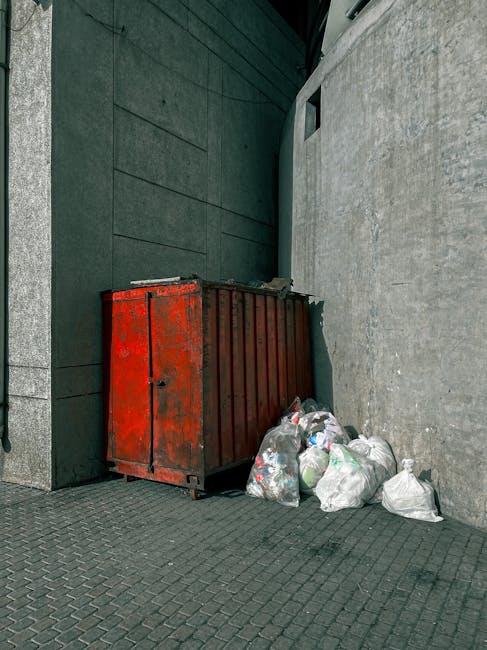
Mare Street rubbish collection advice for small flats
Posted on 06/06/2026
If you live in a small flat near Mare Street, rubbish can become one of those everyday annoyances that quietly takes over the kitchen corner, the hallway, and sometimes your patience too. One bag turns into two, recycling gets mixed up, and suddenly you are wondering where it all is supposed to go. This guide brings together practical Mare Street rubbish collection advice for small flats so you can manage waste cleanly, avoid common mistakes, and make the most of limited space without turning your home into a bin store.
Truth be told, small-flat waste management is less about big dramatic changes and more about a few steady habits done well. The right collection routine, the right containers, and a bit of planning can make a cramped flat feel noticeably calmer. You do not need a perfect system. You need one that works on a Tuesday evening when the recycling is full and the lift is, as usual, having a moment.
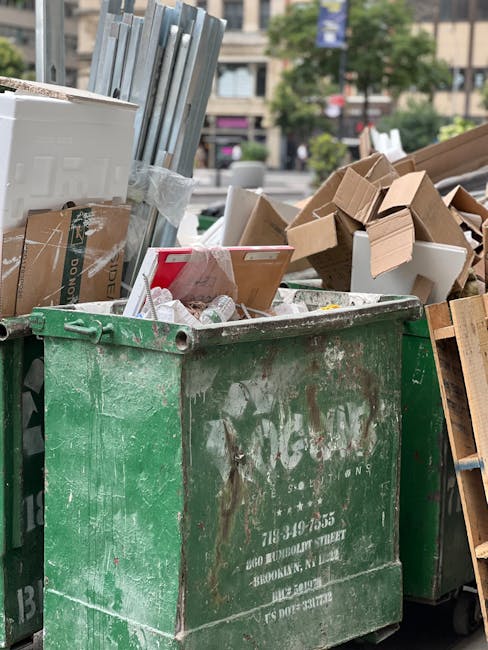
Why Mare Street rubbish collection advice for small flats Matters
Small flats have a funny way of exposing every weak point in your routine. There is less storage, less airflow, less room for error, and usually less patience from everyone involved. If rubbish is left too long, even a modest amount can start to smell, attract pests, or simply make the flat feel cluttered and harder to live in. That is why Mare Street rubbish collection advice for small flats matters so much: it is not just about putting waste out. It is about keeping a compact home healthy, tidy, and manageable.
On busy streets like Mare Street, waste also has a practical public-facing side. Bags left out at the wrong time can be kicked open, torn by animals, or clutter pavements before collection. In a small building, one household falling behind can affect everyone else. That is the bit people sometimes miss. Waste habits in flats are shared habits, whether you mean them to be or not.
There is also a social side to this. If you have a shared entrance, narrow stairwell, or common bin area, nobody enjoys stepping around a pile of overfilled bags at the end of a long day. A cleaner routine is one of those small quality-of-life upgrades that feels minor until you have it. Then you notice. And once you notice, you do not really want to go back.
How Mare Street rubbish collection advice for small flats Works
At its core, good rubbish collection advice for a small flat has three parts: reduce what you bring in, separate what can be recycled, and store waste so it is easy to take out on time. Simple enough in theory. In practice, the details matter.
Most small flats work best when waste is handled as a flow rather than as a pile-up. Food packaging goes straight into the right container. Food scraps are sealed and removed quickly. Recyclables are rinsed or at least emptied properly, then kept in a separate, dry container. General waste is kept in small bags that are easy to lift and carry. That sounds basic, but basic is usually what saves the day.
If you share a bin store or communal collection point, timing matters just as much as sorting. Set a reminder for collection day, especially if bags need to go out at a specific time rather than left on the pavement overnight. In a small flat, timing prevents overflow. It also prevents that awkward moment when you realise the bin is full and your only option is to balance another sack on top like a badly judged game of Jenga.
For many residents, the practical question is not "How do collections work in general?" It is "How do I keep up without storing waste inside my living space?" That is where compact bins, under-sink sorting, and a weekly reset come in. Small routines. Real difference.
Key Benefits and Practical Advantages
There are more benefits to a sensible waste routine than simply having fewer bin bags lying around.
- Less smell: food waste and mixed rubbish have less time to linger indoors.
- Better use of space: you reclaim corners, cupboards, and floor space that had quietly been taken over.
- Fewer collection problems: properly prepared bags and sorted recycling are easier to move and less likely to be rejected or left behind.
- Lower pest risk: sealed, timely waste is much less attractive to flies, foxes, and rodents.
- Cleaner shared areas: especially important in converted houses and apartment blocks where one flat's habits affect the whole building.
- Less stress: you stop having to wonder where the next bag will go.
There is a quieter benefit too: it makes your flat feel more liveable. A tidy waste system sounds dull on paper. In real life, it can be the thing that keeps a tiny kitchen from feeling chaotic at 8pm when the bin is full and you still need to cook. Small spaces reward order. They really do.
Who This Is For and When It Makes Sense
This advice is most useful if you live in a compact flat around Mare Street, especially if your home has any of the following:
- limited kitchen storage
- a small balcony or no outdoor space at all
- shared bin access
- no lift, or a difficult route to the collection point
- multiple occupants producing more waste than the flat feels built for
- occasional collection-day confusion
It also makes sense if you have just moved in and are still learning the building's waste routine. Many people assume rubbish collection will be obvious once they settle in. It usually is not. Older conversions, mixed-use buildings, and smaller developments often have their own rhythms. One building expects wheelie bins out by the road. Another uses communal stores. Another leaves everyone guessing until the first missed collection teaches the lesson for you. Not ideal, but common.
If you are a landlord, letting agent, or building manager, this is relevant too. Waste problems in small flats often begin as practical confusion, then become neighbour frustration. A clear routine helps everyone. And yes, one simple instruction sheet near the bin store can save a surprising amount of grief.
Step-by-Step Guidance
Here is a simple, realistic way to set up rubbish collection for a small flat without overcomplicating it.
1. Work out your waste streams
Start by separating what you actually throw away most often. For many small flats, that means food waste, mixed general rubbish, paper and card, and bottles or cans. Once you know your real mix, you can choose the right containers rather than buying a stack of bins that look organised but do not fit the way you live.
2. Choose compact containers that fit your space
Small flats usually work best with narrow bins, stackable tubs, or under-counter sorting boxes. Avoid oversized bins that encourage waste to sit around longer because they are not yet full enough to empty. That "just one more day" habit is where smells begin. Ask anyone who has forgotten a banana peel in a warm kitchen. Nobody wins.
3. Set up a simple indoor routine
Keep a small bin or caddy near the main prep area, and make it easy to empty. If the route from kitchen to bin store is awkward, reduce the friction by pre-bagging waste and keeping spare liners where you need them. Convenience matters more than people admit.
4. Prepare recyclables properly
Empty containers, flatten cardboard, and keep materials dry where possible. You do not need laboratory-level perfection, but messy recycling is more likely to create problems in a communal setup. Sticky food residue and soggy card are the usual culprits.
5. Match collection timing to your household rhythm
If collections happen early, set the bags out the night before only if that is allowed and practical for your building. If your bins are communal, plan a quick weekly reset so you are not discovering a full bin at the exact moment you need to leave for work. Little systems beat last-minute rushing every time.
6. Keep a spare plan for busy weeks
Weeks get messy. Guests arrive, takeaways pile up, or you are away for a few days and come back to a full kitchen bin. Keep a backup plan: extra liners, a designated temporary bag for recyclables, and a reminder to clear waste before it turns into an issue. Small preparedness, big payoff.
7. Review what is not working
If rubbish keeps overflowing, do not just blame the bin. Ask whether the problem is storage, sorting, collection frequency, or the way the household uses the space. Usually it is one of those, sometimes two. Rarely is it magic.
Expert Tips for Better Results
After dealing with enough small-space waste setups, a few patterns become obvious.
Use smaller liners than you think you need. In compact flats, a small bag that gets emptied regularly often works better than a big bag that sits half-full for days. The habit of daily or near-daily emptying is your friend.
Put recycling where the decision happens. If the recycling bin is hidden behind a stack of pans, people default to the nearest option. Make the right choice the easiest one. That is the trick, honestly.
Keep food waste sealed. A lidded caddy, compostable liner, or tightly tied small bag can make a huge difference in a warm kitchen. Especially in summer, when the flat feels stuffy by late afternoon.
Build in a five-minute reset. Once a week, check bins, wipe container lids, flatten packaging, and remove anything that should not be there. It sounds tiny. It is tiny. But it works.
Think about lifting and carrying. In stair-heavy buildings, a heavy overfilled bag is more than inconvenient. It can split halfway down the stairs. Better to carry two lighter bags than one heroic disaster.
Be realistic about household habits. If you live with flatmates, partners, or family, the system has to survive everyone's habits, not just yours. That means clear labels, visible bins, and simple rules. Fancy does not always mean functional.
One more thing. If you are trying to manage waste in a flat with no obvious storage nook, do not feel guilty for using a slightly awkward solution. A neat corner setup is still a solution. Imperfect beats chaotic.
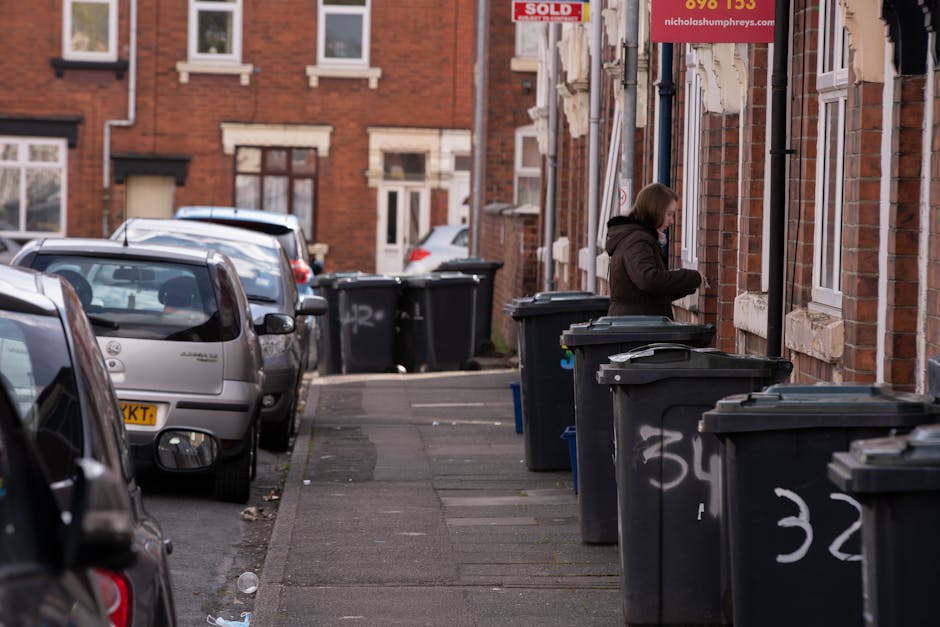
Common Mistakes to Avoid
Most rubbish problems in small flats are not dramatic. They are just small mistakes repeated often.
- Keeping too much waste indoors: even "clean" rubbish takes up space and can smell sooner than expected.
- Overfilling bags: this leads to splits, leaks, and awkward trips to the bin store.
- Mixing food waste with dry recycling: this can contaminate the whole container and make sorting harder later.
- Ignoring collection timings: one missed day can become a backlog very quickly in a small flat.
- Using bins that are too large: big bins encourage delay, which is usually the opposite of what you need.
- Leaving bags in shared hallways: this is messy and often creates avoidable friction with neighbours or building managers.
A subtle mistake is treating waste as an afterthought. In a bigger house, you can sometimes get away with that. In a small flat, you cannot. The room simply does not forgive you. To be fair, neither do your housemates if the bin starts smelling at breakfast.
Tools, Resources and Recommendations
You do not need a lot of equipment, but the right tools make a real difference. Here are the most useful ones for small-flat rubbish collection routines.
| Tool or item | Why it helps | Best use in a small flat |
|---|---|---|
| Compact kitchen bin | Takes up less floor space and encourages regular emptying | Under sink, beside fridge, or in a slim utility corner |
| Separate recycling caddy | Makes sorting easy without needing a big second bin | Paper, cans, bottles, and dry packaging |
| Lidded food waste container | Helps control odour and flies | Food prep areas and warm kitchens |
| Spare bin liners | Removes friction when a bag needs changing quickly | Keep them in the same cupboard as the bin |
| Simple label system | Reduces confusion in shared flats | Useful for roommates or communal bin areas |
| Weekly reminder | Prevents missed collection days | Phone alarm, wall note, or calendar alert |
If you are looking at a wider waste service setup for a managed property or a block of flats, it can also help to understand how regular waste collection for homes compares with more structured shared-collection arrangements. In some cases, one route is simply easier to manage than the other, especially when space is tight. If you want a broader property-focused overview, you can also explore waste and rubbish collection services for context on how these services are typically organised.
For people dealing with a more specialised property setup, it can be useful to think beyond the flat itself. A building with several small units may need different planning from a single home. That is where a service like more rubbish collection options can be helpful to understand the range of possible approaches, even if the final setup stays simple.
And if your situation involves a busy shared property or a small development with recurring waste issues, a more tailored waste-handling arrangement may be worth considering. In those cases, it helps to know what specialist collection services can cover in practice, particularly where standard collection routines are not enough on their own.
Law, Compliance, Standards, or Best Practice
Waste handling in the UK is not just a matter of convenience. There are general expectations around keeping bins accessible, preventing refuse from becoming a nuisance, and presenting waste in the correct way for collection. The exact rules can vary by property type, local authority arrangements, and the building's own bin procedures, so it is always sensible to check the local arrangements that apply to your flat or block.
For small flats, the main best-practice principles are straightforward:
- do not obstruct shared walkways or exits with bags
- do not leave waste where it can blow around or attract vermin
- separate recycling where required by the property's system
- keep food waste contained and emptied regularly
- follow building instructions for bin placement and collection timing
In communal buildings, residents are often expected to respect shared areas and keep them tidy. That is not just courtesy. It is how the whole system avoids turning into a problem for everyone else. If you are unsure how your building handles collections, ask the landlord, managing agent, or building representative rather than guessing. Guessing is how good intentions become a mess by Thursday.
There is also a practical standard worth following even where no one has written it down: if waste begins to smell, leak, or block normal movement, the setup is not working. Change it. A more compact bin, a clearer sorting method, or a stricter collection routine is usually enough.
Options, Methods, or Comparison Table
Different flats need different waste setups. Here is a simple comparison of common approaches for small homes near Mare Street.
| Method | Best for | Pros | Possible drawbacks |
|---|---|---|---|
| Single-bin system | Very small flats with limited storage | Simple, cheap, easy to maintain | Less effective if recycling is mixed in |
| Two-bin separation | Most one-bedroom and studio flats | Better sorting, easier recycling habits | Needs a little more space |
| Under-sink sorting | Kitchens with useful cupboard space | Keeps waste out of sight, tidy look | Can get cramped if cupboard is already busy |
| Communal collection routine | Flats in shared buildings | Good for building-wide efficiency | Relies on neighbours following the system |
| Frequent emptying with small liners | Homes with food waste issues or no outdoor space | Best odour control, low clutter | Requires regular effort |
For most small flats, the best option is not the fanciest one. It is the one you will actually keep using. That sounds obvious, but there is a reason the simplest solution often wins. It survives real life.
Case Study or Real-World Example
Imagine a two-person flat just off Mare Street, with a tiny kitchen, no balcony, and a shared bin area behind the building. At first, the household keeps one large kitchen bin and waits until it is almost overflowing before taking it out. Recycling goes into a carrier bag by the sink. Food packaging is separated, but only sometimes. By midweek, the kitchen smells a bit off, and the bin bag is too heavy to carry down two flights of stairs without a wobble.
They make three changes. First, they switch to a smaller bin and agree to empty it every other day. Second, they add a slim recycling caddy that sits beside the kettle, where packaging is more likely to be sorted correctly. Third, they set a phone reminder for collection night and do a five-minute reset each Sunday evening.
Nothing dramatic. No redesign. No expensive storage system. But the result is noticeable almost immediately. The flat smells fresher. The kitchen counter stays clearer. Trips to the communal bin are quicker. And because the bags are smaller, nobody has to wrestle a sack down the stairs like they are moving house in a rainstorm.
That is the real lesson here. In small flats, the best rubbish collection advice is usually a combination of smaller habits, not a single grand fix.
Practical Checklist
Use this checklist to make sure your small-flat waste setup is actually working.
- Do I know where general waste, recycling, and food waste should go?
- Do I have bins that fit the space without crowding the kitchen?
- Are food scraps sealed and removed regularly?
- Do I have a clear routine for collection day?
- Are recyclable items kept reasonably clean and dry?
- Is waste ever left in hallways or shared spaces?
- Do I have spare liners and bags ready when needed?
- Have I checked the building's bin store rules or collection arrangement?
- Does the current setup stop smells and overflow, or just cope with them?
- Could a smaller, simpler system work better?
If you can answer "yes" to most of those, you are probably in decent shape. If not, do not panic. Start with the easiest fix first. Usually that is enough to shift things in the right direction.
Conclusion
Mare Street rubbish collection advice for small flats is really about making compact living easier, cleaner, and less stressful. A good setup does not need to be complicated. It just needs to suit the space you actually have, the collection routine you actually follow, and the people who actually live there.
When you sort waste early, use suitably sized containers, and stay on top of collection days, the whole flat feels lighter. Less clutter. Less smell. Less faffing around. And that, in a small home, matters a lot more than it sounds like it should.
If you are still refining your routine, start simple and stay consistent. A few small adjustments now can save a surprising amount of hassle later, and honestly, your future self will thank you for it.
Get a free quote today and see how much you can save.